" width="95px"><path d="M 0 0 L 95 0 L 95 19 L 0 19 Z" fill="transparent" height="19px" id="f141K9XUg" width="95px"/><path d="M 1.906 0 C 2.959 0 3.813 0.863 3.813 1.927 C 3.813 2.992 2.959 3.854 1.906 3.854 C 0.853 3.854 0 2.992 0 1.927 C 0 0.863 0.853 0 1.906 0 Z M 0.254 5.818 L 3.468 5.818 L 3.468 15.233 L 0.254 15.233 Z M 5.737 15.233 L 8.951 15.233 L 8.951 9.727 C 8.951 8.975 9.368 8.149 10.44 8.149 C 11.583 8.149 12.074 8.975 12.074 9.911 L 12.074 15.233 L 15.287 15.233 L 15.287 9.617 C 15.323 8.901 15.759 8.149 16.776 8.149 C 17.92 8.149 18.41 8.975 18.41 9.911 L 18.41 15.233 L 21.624 15.233 L 21.624 9.03 C 21.624 6.405 19.699 5.543 17.992 5.543 C 16.976 5.543 15.886 6.075 14.906 7.268 C 14.252 6.002 12.891 5.543 11.656 5.543 C 10.639 5.543 9.713 6.075 8.987 6.809 L 8.951 6.809 L 8.951 5.818 L 5.737 5.818 Z M 23.621 15.233 L 26.834 15.233 L 26.834 9.727 C 26.834 8.975 27.252 8.149 28.323 8.149 C 29.467 8.149 29.957 8.975 29.957 9.911 L 29.957 15.233 L 33.171 15.233 L 33.171 9.617 C 33.207 8.901 33.643 8.149 34.659 8.149 C 35.803 8.149 36.293 8.975 36.293 9.911 L 36.293 15.233 L 39.507 15.233 L 39.507 9.03 C 39.507 6.405 37.582 5.543 35.876 5.543 C 34.859 5.543 33.77 6.075 32.789 7.268 C 32.136 6.002 30.774 5.543 29.539 5.543 C 28.523 5.543 27.597 6.075 26.871 6.809 L 26.834 6.809 L 26.834 5.818 L 23.621 5.818 Z M 50.927 10.975 C 50.945 10.865 50.945 10.663 50.945 10.535 C 50.945 7.231 48.785 5.543 45.952 5.543 C 43.138 5.543 40.832 7.782 40.832 10.535 C 40.832 13.269 43.138 15.509 45.952 15.509 C 48.022 15.509 49.729 14.829 50.782 13.049 L 48.458 11.875 C 47.677 12.719 47.223 12.921 46.188 12.921 C 45.371 12.921 44.173 12.425 44.173 10.975 Z M 44.264 9.177 C 44.318 8.314 44.936 7.653 46.043 7.653 C 46.987 7.653 47.659 8.186 47.804 9.177 Z M 52.416 15.233 L 55.629 15.233 L 55.629 10.278 C 55.629 10.039 55.865 8.369 57.536 8.369 C 58.607 8.369 59.206 8.883 59.206 8.883 L 60.55 6.13 C 60.55 6.13 59.714 5.543 58.516 5.543 C 56.682 5.543 55.666 7.176 55.666 7.176 L 55.629 7.176 L 55.629 5.818 L 52.416 5.818 Z M 65.361 5.543 C 62.91 5.543 61.294 6.644 61.294 8.571 C 61.294 9.984 62.238 10.645 63.182 11.14 C 64.235 11.691 65.252 11.746 65.252 12.425 C 65.252 13.049 64.707 13.104 64.253 13.104 C 63.219 13.104 61.948 12.021 61.948 12.021 L 60.64 14.242 C 60.64 14.242 61.984 15.509 64.235 15.509 C 66.142 15.509 68.647 15.068 68.647 12.297 C 68.647 10.37 67.049 9.672 65.815 9.287 C 65.016 9.03 64.362 8.883 64.362 8.387 C 64.362 7.947 64.653 7.818 65.361 7.818 C 66.341 7.818 67.431 8.406 67.431 8.406 L 68.484 6.277 C 68.484 6.277 67.158 5.543 65.361 5.543 Z M 71.897 0 C 72.95 0 73.803 0.863 73.803 1.927 C 73.803 2.992 72.95 3.854 71.897 3.854 C 70.844 3.854 69.991 2.992 69.991 1.927 C 69.991 0.863 70.844 0 71.897 0 Z M 70.245 5.818 L 75.404 5.811 C 75.404 5.811 71.946 6.741 71.921 10.426 C 71.895 14.377 75.847 15.199 75.847 15.199 L 70.245 15.233 Z M 79.103 15.205 L 84.633 15.208 L 84.633 9.886 C 84.633 8.95 85.577 8.05 86.54 8.05 C 87.575 8.05 88.21 8.95 88.21 9.886 L 88.21 15.208 L 91.424 15.208 L 91.424 9.005 C 91.424 6.38 89.045 5.517 87.338 5.517 C 86.322 5.517 85.396 6.05 84.67 6.784 L 84.633 6.784 L 84.633 5.793 L 79.449 5.814 C 79.449 5.814 83.03 6.545 83.134 10.416 C 83.233 14.115 79.103 15.205 79.103 15.205 Z" fill="rgb(243, 241, 249)" height="15.508518576655096px" id="BrOY0jDQO" transform="translate(1.611 1.675)" width="91.42354276158623px"/><path d="M 1.906 0 C 2.959 0 3.813 0.863 3.813 1.927 C 3.813 2.992 2.959 3.854 1.906 3.854 C 0.853 3.854 0 2.992 0 1.927 C 0 0.863 0.853 0 1.906 0 Z" fill="rgb(70, 112, 205)" height="3.854188048636182px" id="yIBDdP8YK" transform="translate(77.207 10.186)" width="3.8127090301003363px"/></g></svg>)
Why Extraordinary Places Create Extraordinary Conversations
Extraordinary places do more than capture our attention. Novel environments can heighten Immersion, disrupt routine, and create the conditions for deeper conversations and stronger human connection. In the first article of a new series, Dr. Paul J. Zak explores what neuroscience can teach us about designing experiences that people remember long after they leave.

Paul Zak, PhD
Founder
Share
The first in a series on the neuroscience of extraordinary places
Novel places don’t just change what we see. They change who we become.
Step into an extraordinary place and something remarkable happens. We become more curious. We notice details we’d normally overlook. We strike up conversations with people we’d likely ignore at home. The barriers between strangers become surprisingly easy to cross.
That’s one of the hidden gifts of travel. We remember the landscapes, but what stays with us longest are the people we met along the way. Some relationships last only a few hours. Others continue for a lifetime.
When we leave familiar environments, our brains shift out of autopilot. Novelty heightens attention and opens us to different emotional experiences. The increased neurologic Immersion doesn’t just change how we experience a place—it changes how we experience one another.
This is one of the most overlooked principles in experience design. Organizations invest heavily in speakers, venues, agendas, and technology. Those matter. But extraordinary experiences are ultimately judged by the quality of the conversations they inspire.
Experiences are measured not by what happens to people, but by what happens between them.
A remarkable environment lowers barriers. It creates instant common ground. It gives people permission to ask different questions, tell different stories, and connect more openly than they would in everyday life.
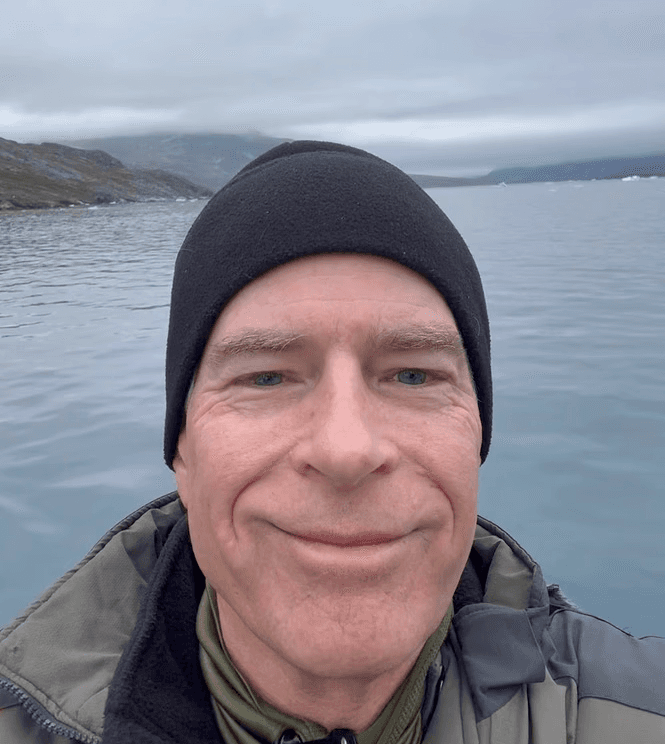
I’m writing this from Greenland, but you don’t have to fly everyone here to create this effect.
You simply have to design experiences that break people out of routine.
An unexpected venue. A shared challenge. A breathtaking moment. A sequence of emotional experiences that encourages curiosity instead of comfort. These are the ingredients that transform a gathering into something memorable.
The goal isn’t novelty for its own sake.
The goal is to create just enough distance from everyday life that people begin interacting differently.
When conversations deepen, relationships form.
And relationships are what people remember long after an event ends.
The best way to measure how your event transforms attendees is to continuously and passively measure the neural value of the experience using the fully-portable ImmersionLive kit. Just wave a wearable over an iPad and hand it to an attendee. ImmersionLive quantifies exactly when the most important part of your event happened, and why. Neurologic Immersion is contagious so the more you create, the more it builds on itself.
Over the next several weeks, I’ll be writing from some extraordinary places, exploring what neuroscience can teach us about why certain experiences stay with us for a lifetime.
Greenland is simply a reminder that the most valuable thing we bring home from a journey isn’t a photograph.
It’s a conversation.
Use this link to get a demo of ImmersionLive to objectively measure the Return on Experience.