" width="95px"><path d="M 0 0 L 95 0 L 95 19 L 0 19 Z" fill="transparent" height="19px" id="f141K9XUg" width="95px"/><path d="M 1.906 0 C 2.959 0 3.813 0.863 3.813 1.927 C 3.813 2.992 2.959 3.854 1.906 3.854 C 0.853 3.854 0 2.992 0 1.927 C 0 0.863 0.853 0 1.906 0 Z M 0.254 5.818 L 3.468 5.818 L 3.468 15.233 L 0.254 15.233 Z M 5.737 15.233 L 8.951 15.233 L 8.951 9.727 C 8.951 8.975 9.368 8.149 10.44 8.149 C 11.583 8.149 12.074 8.975 12.074 9.911 L 12.074 15.233 L 15.287 15.233 L 15.287 9.617 C 15.323 8.901 15.759 8.149 16.776 8.149 C 17.92 8.149 18.41 8.975 18.41 9.911 L 18.41 15.233 L 21.624 15.233 L 21.624 9.03 C 21.624 6.405 19.699 5.543 17.992 5.543 C 16.976 5.543 15.886 6.075 14.906 7.268 C 14.252 6.002 12.891 5.543 11.656 5.543 C 10.639 5.543 9.713 6.075 8.987 6.809 L 8.951 6.809 L 8.951 5.818 L 5.737 5.818 Z M 23.621 15.233 L 26.834 15.233 L 26.834 9.727 C 26.834 8.975 27.252 8.149 28.323 8.149 C 29.467 8.149 29.957 8.975 29.957 9.911 L 29.957 15.233 L 33.171 15.233 L 33.171 9.617 C 33.207 8.901 33.643 8.149 34.659 8.149 C 35.803 8.149 36.293 8.975 36.293 9.911 L 36.293 15.233 L 39.507 15.233 L 39.507 9.03 C 39.507 6.405 37.582 5.543 35.876 5.543 C 34.859 5.543 33.77 6.075 32.789 7.268 C 32.136 6.002 30.774 5.543 29.539 5.543 C 28.523 5.543 27.597 6.075 26.871 6.809 L 26.834 6.809 L 26.834 5.818 L 23.621 5.818 Z M 50.927 10.975 C 50.945 10.865 50.945 10.663 50.945 10.535 C 50.945 7.231 48.785 5.543 45.952 5.543 C 43.138 5.543 40.832 7.782 40.832 10.535 C 40.832 13.269 43.138 15.509 45.952 15.509 C 48.022 15.509 49.729 14.829 50.782 13.049 L 48.458 11.875 C 47.677 12.719 47.223 12.921 46.188 12.921 C 45.371 12.921 44.173 12.425 44.173 10.975 Z M 44.264 9.177 C 44.318 8.314 44.936 7.653 46.043 7.653 C 46.987 7.653 47.659 8.186 47.804 9.177 Z M 52.416 15.233 L 55.629 15.233 L 55.629 10.278 C 55.629 10.039 55.865 8.369 57.536 8.369 C 58.607 8.369 59.206 8.883 59.206 8.883 L 60.55 6.13 C 60.55 6.13 59.714 5.543 58.516 5.543 C 56.682 5.543 55.666 7.176 55.666 7.176 L 55.629 7.176 L 55.629 5.818 L 52.416 5.818 Z M 65.361 5.543 C 62.91 5.543 61.294 6.644 61.294 8.571 C 61.294 9.984 62.238 10.645 63.182 11.14 C 64.235 11.691 65.252 11.746 65.252 12.425 C 65.252 13.049 64.707 13.104 64.253 13.104 C 63.219 13.104 61.948 12.021 61.948 12.021 L 60.64 14.242 C 60.64 14.242 61.984 15.509 64.235 15.509 C 66.142 15.509 68.647 15.068 68.647 12.297 C 68.647 10.37 67.049 9.672 65.815 9.287 C 65.016 9.03 64.362 8.883 64.362 8.387 C 64.362 7.947 64.653 7.818 65.361 7.818 C 66.341 7.818 67.431 8.406 67.431 8.406 L 68.484 6.277 C 68.484 6.277 67.158 5.543 65.361 5.543 Z M 71.897 0 C 72.95 0 73.803 0.863 73.803 1.927 C 73.803 2.992 72.95 3.854 71.897 3.854 C 70.844 3.854 69.991 2.992 69.991 1.927 C 69.991 0.863 70.844 0 71.897 0 Z M 70.245 5.818 L 75.404 5.811 C 75.404 5.811 71.946 6.741 71.921 10.426 C 71.895 14.377 75.847 15.199 75.847 15.199 L 70.245 15.233 Z M 79.103 15.205 L 84.633 15.208 L 84.633 9.886 C 84.633 8.95 85.577 8.05 86.54 8.05 C 87.575 8.05 88.21 8.95 88.21 9.886 L 88.21 15.208 L 91.424 15.208 L 91.424 9.005 C 91.424 6.38 89.045 5.517 87.338 5.517 C 86.322 5.517 85.396 6.05 84.67 6.784 L 84.633 6.784 L 84.633 5.793 L 79.449 5.814 C 79.449 5.814 83.03 6.545 83.134 10.416 C 83.233 14.115 79.103 15.205 79.103 15.205 Z" fill="rgb(243, 241, 249)" height="15.508518576655096px" id="BrOY0jDQO" transform="translate(1.611 1.675)" width="91.42354276158623px"/><path d="M 1.906 0 C 2.959 0 3.813 0.863 3.813 1.927 C 3.813 2.992 2.959 3.854 1.906 3.854 C 0.853 3.854 0 2.992 0 1.927 C 0 0.863 0.853 0 1.906 0 Z" fill="rgb(70, 112, 205)" height="3.854188048636182px" id="yIBDdP8YK" transform="translate(77.207 10.186)" width="3.8127090301003363px"/></g></svg>)

The Three Forces of Extraordinary Experiences
Extraordinary events emerge when place, experience, and people reinforce one another, creating Peak Immersion and the potential for transformation. Drawing on a shared solar eclipse experience in Spain, Dr. Paul J. Zak explains how event designers can intentionally create and measure the moments that deepen relationships, shift perspectives, and make experiences memorable.
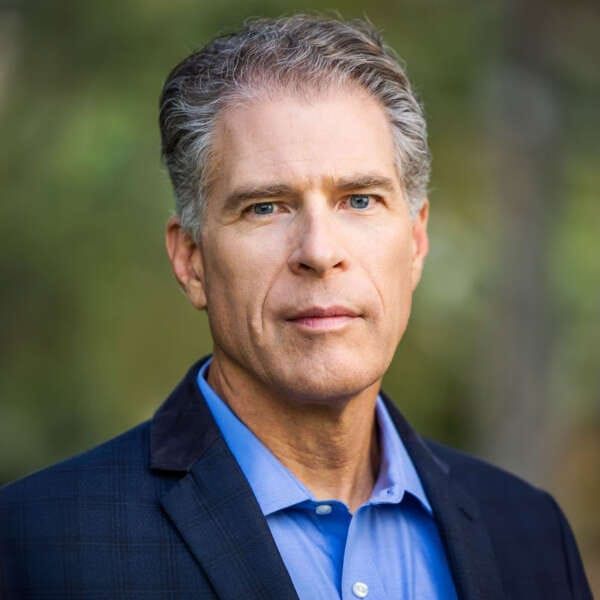
Paul Zak, PhD
Founder
Share
Extraordinary events aren’t only created by great speakers. They’re created when place, experience, and people work together.
This week I was in the mountains outside Valencia, Spain, gathered with friends to watch the August, 2026 solar eclipse.
As the moon slowly crossed the sun, conversations faded. Everyone instinctively looked skyward. For a few remarkable minutes, nothing else mattered.
The eclipse was extraordinary. Birds fell silent. Conversations stopped. For a few minutes, it felt like the world stood still.
But it wasn’t the eclipse alone that made the experience unforgettable.
It was the setting. It was the people. It was the shared anticipation of witnessing something rare together.
That’s how the brain works.
The brain remembers extraordinary experiences differently. They aren't stored as isolated moments. They become networks of place, emotion, and relationships that reinforce one another every time we recall them.
Extraordinary experiences are built from three coalescing factors.
First, novel places command attention.
Second, extraordinary experiences open us up emotionally.
Third, sharing those moments with other people dramatically increases their significance.
Peak Immersion has a formula: Place + Experience + People = Transformation.
The result isn’t only a stronger memory.
Peak Immersion experiences cause personal transformation. Shared peak Immersion experiences are the best and most effective way to connect to others.
Do you want to build lasting relationships? Start by creating shared extraordinary experiences. They generate the trust and emotional connection that ordinary networking almost never does. Use the formula, it will produce long-term connections that generate a powerful Return on Experience.
Too many event organizers think they’re designing an agenda.
The best ones design an ecosystem where every element reinforces each other.
A world-class keynote delivered in a forgettable setting loses much of its impact. An incredible venue without meaningful interactions is little more than expensive scenery. Great people attending an ordinary event rarely create extraordinary outcomes.
Transformation happens when place, experience, and people reinforce one another.
That’s why the most memorable customer events, leadership retreats, innovation summits, and sales meetings feel different the moment attendees arrive. Every detail—from the setting to the conversations to the shared experiences—is intentionally orchestrated to move people beyond simply consuming content.
The challenge has always been knowing whether those moments actually occurred.
Until recently, event designers relied on intuition and surveys completed days after the experience to get subjective impressions from attendees. Surveys report what people think others want to hear. They don’t prove that an experience was transformational.
ImmersionLive changes that.
Using lightweight wristbands, ImmersionLive continuously measures neurologic Immersion throughout an event. ImmersionLive empowers event designers by showing the precise moments when attendees stopped observing and became fully invested in the experience. They can see which environments amplified learning, which shared activities strengthened relationships, and which moments truly changed perspectives.
Once those moments are revealed, they become repeatable.
That’s the difference between hoping an event inspires people and intentionally creating data-driven experiences that consistently do.
Eventually, the details of the eclipse will fade.
But the combination of that place, that moment, and those people changed the experience into something much larger than the sum of its parts.
Years from now, I won't remember exactly how dark the sky became. I'll remember laughing with my host Jeff. I'll remember Susan tripping over a chaise lounge because she couldn't take her eyes off the eclipse. I'll remember Fred's guffaw after someone's joke. Those moments had nothing to do with the movements of the sun and moon. They had everything to do with people, the place, and the experience combined.
The best events do exactly the same thing.
They don’t simply create memories.
They create people who leave seeing the world—and themselves—differently.